
Written by Brian B

Low Maintenance Plants Arizona
Low Maintenance Plants Arizona

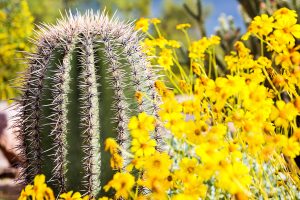
Arizona landscapers and homeowners depend on low-maintenance plants that can thrive in extreme conditions. Let’s take a look at some of the best drought-resistant plants in the desert.

Little Leaf Cordia Cordia Parvifolia

Growing only as tall as 6 feet, this small and shrubby tree features a rounded canopy. During the springtime, this canopy will produce some beautiful white flowers. The bark of this tree is colored brown, with small and pointed leaves.

Sugar Bush Rhus Ovata

The Ovata can grow to an average of 3-4-feet tall. It features green leaves that have a slight hint of red on the edges. During the fall season, the leaves will turn a shade of orange. Keep an eye out for small, white flowers produced at this time, as well.

Dalea

Daleas are a diverse group of plants known to thrive in the extreme Arizona climate. There are close to 200 species of Daleas, including both trees and shrubs. Their pea-shaped flowers can come in three colors, which are yellow, purple and rose.

Feathery Cassia Cassia Nemophila

This evergreen shrub grows quickly in the desert. The Nemophila loves when direct sunlight comes over its feathery, needle-like leaves. This shrub can also flower, with yellow clusters produced at the end of the branches.

Eremophila

Straight from the arid regions of Australia, this group of evergreen plants grow in many different soil types. These emu bushes are more than capable of surviving for long periods of time without any water at all.

Chihuahuan Sage Leucophyllum Laevigatum

This is another low-maintenance plant capable of thriving in Arizona. Their small leaves will produce many purple flowers over time. These shrubs have been capable of growing up to 4-feet tall.

Desert Landscaping In Arizona

If you are interested in increasing the beauty of your landscape by buying desert rocks, stop by our convenient location at 33840 N. Cave Creek Rd., in Cave Creek, give us a call at (480) 488-9455 to schedule a visit to your home.
Written by Brian B

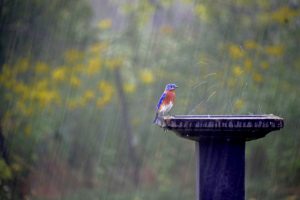
How To Clean A Bird Bath

How To Clean A Bird Bath

Cleaning and maintaining a bird bath will undoubtedly make the area more attractive for birds. A dirty bird bath can cause health problems for both birds and humans. Use our guide to clean the bird bath properly.

Materials Needed

You’ll need a few tools/materials before beginning the cleaning process, including:

  • Rubber gloves
  • Scrub brush
  • Hose
  • Chlorine bleach
  • Water

Cleaning A Bird Bath Steps

The best advice to maintain a clean bird bath is to wash it a few times each week. The good news is cleaning a bird bath is not very difficult. Follow the steps below for a thorough cleaning process.

Step 1. Dump Out Old Water

Dump the old water out onto nearby grass or flowerbeds. Don’t let the water puddle, though. Birds may try to use the water before it evaporates.

Step 2. Remove Any Debris

Remove any loose material that may be sticking to the bottom of the bird bath. A disposable rag or brush can be used to remove large deposits of feces, seed or other contaminants. Using a pressure attachment of a hose can also be a great way to clean the bird bath entirely.

Step 3. Scrub With Bleach

You need to create a bleach solution that is 1 part chlorine bleach mixed with 9 parts water. Wash the bird bath in an area where chlorine spills will not be harmful to surrounding plants. Start by scrubbing the basin, lip and all other areas the birds may use. Allow the bleach to soak for a few minutes if the bird bath is exceptionally dirty.

Step 4. Rinse Bird Bath

After washing, rinse the bird bath with running water until chemical foaming dissipates. A slight chlorine smell may still be present, but it should no longer carry a strong odor.

Step 5. Let Bird Bath Dry Completely

Give the bird bath plenty of time to dry out under bright sunlight. The sunlight will help break down any remaining chlorine so it will not contaminate the refilled water.

Step 6. Refill Bird Bath

Make sure to use fresh and clean water when refilling the bird bath. Ensure the basin is balanced and stable at this time.

Bird Baths For Sale In Arizona

If you are interested in increasing the beauty of your landscape by buying desert rocks, stop by our convenient location at 33840 N. Cave Creek Rd., in Cave Creek, give us a call at (480) 488-9455 to schedule a visit to your home.

Written by Brian B

How To Water A Cactus

How To Water A Cactus

Follow our guide below if you are wondering how to properly water your cactus.

Water In Pots

Cacti planted in pots should be watered twice for the best results. Water the pots starting in four-foot sections. Make sure the water fills the pot at its maximum height. After everything is settled, go back and water the pot a second time to ensure a deep and even watering for the soil.

Water Deep And Slow

Watering the cactus deeply and slowly is a technique that works well when the plant is in the ground. Referred to as “deep soaking”, this technique involves a steady and slow dripping from a garden hose. The duration of the watering depends on the plant size, but it typically takes anywhere from 2-6 hours long.

Plant Sizes Count

A cacti that is larger in size and more established will not require watering as often as a smaller plant. The bigger the cactus is, the bigger its storage tank, where water is stored until needed. This means a plant with a larger tank can go quite a bit longer between watering. A larger Saguaro, for instance, can last a much longer time without water compared to a 1-gallon Gold Barrel cactus.

Temperatures Can Impact Watering

You will need to water a cactus more often when in a warmer climate. A cactus in a cooler climate will not require as much water.

Don’t Water Newly Planted Cactus

Plant any new cactus dry, while waiting on any watering. The proper time to water will be based on temperature. For instance, the cooler the climate, the longer you should wait on watering. It’s recommended to wait at least a week to give succulent roots enough time to heal before exposing them to water. All future watering should be done only when the soil becomes dry at the roots.

Cacti For Sale In Arizona

If you are interested in increasing the beauty of your landscape by buying desert rocks, stop by our convenient location at 33840 N. Cave Creek Rd., in Cave Creek, give us a call at (480) 488-9455 to schedule a visit to your home.
Written by Brian B

Full Sun Succulents In Arizona

 Full Sun Succulents In Arizona

Arizona homeowners need to choose the right plants for their landscaping needs in this hot and arid climate. These full sun succulents are best suited to thrive in the valley of the sun.

Top 7 Full Sun Succulents In Arizona

Selecting the best succulents and cacti for this hot region makes the landscape easier to care for and more enjoyable. The full sun succulents listed below continue to thrive in Arizona’s unique and sunny climate.

Agave Americana

The Agave Americana features big yellow flowers when it fully blooms. These can grow about 4 feet in width and 8 feet in height. On average, this succulent will live between 10-30 years.

Barrel Cactus

Multiple variations, such as the golden barrel cactus, are ideal for sunny and hot conditions. These cacti can grow brightly colored flowers throughout the year without expanding too much.

Candelilla

This is a popular full sun succulent since it grows some beautiful pink flowers, featuring waxy straight stems. Landscapers often choose this as a filler plant for full sun.

Hedgehog Cactus

The hedgehog cactus tends to stay smaller than most other succulents, topping out around 1 foot tall. Instead, this cactus enjoys sideway growth, measuring up to 3 feet in width.

Moroccan Mound

The Moroccan mound will give your landscape a uniquely textured plant. Featuring numerous stems, this plant can grow about 5 feet wide in constant sunlight.

Ocotillo

This visually stunning succulent is a great addition to any landscaping project. When Arizona experiences its rare and light rainfall, leaves will appear on the ocotillo, with red flowers blooming in springtime.

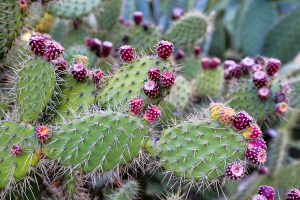
Prickly Pear Cactus

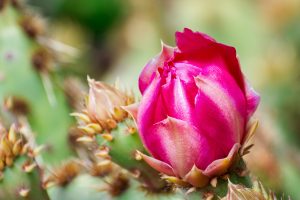
Prickly pear cacti will flower between the months of March and June. These prickly pear varieties are synonymous with Arizona landscape designs.

Succulents For Sale In Arizona

If you are interested in increasing the beauty of your landscape by buying desert rocks, stop by our convenient location at 33840 N. Cave Creek Rd., in Cave Creek, give us a call at (480) 488-9455 to schedule a visit to your home.
Written by Brian B

Landscape Boulders Price In 2022

Boulders can change the way your residential or commercial landscaping project looks and feels. How much do landscape boulders cost, though? This post will detail prices, including installation and delivery costs.

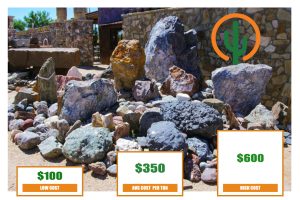
How Much Do Landscape Boulders Cost?

  • Lowest price per ton: $100.
  • Highest price per ton: $600.
  • Minimum installation cost: $40.
  • Maximum installation cost: $300.

Boulder prices can vary based on quantity and quality, as is generally the case with any landscaping material. The first thing any homeowner needs to consider when purchasing boulders is size. How do you plan on spreading these boulders throughout your property? Would a few large boulders work or do you want to spruce up your land by adding an abundance of boulders? The good news is many landscape material companies will offer bundle discounts if you’re looking for a large amount of boulders. But, keep in mind that professional delivery may be necessary when you purchase heavy boulders.

Check with the landscape material companies ahead of time to see if installation is included with any boulder costs. Some companies will include the installation as part of the total price. Deliveries and installation can be costly when considering the amount of materials and length of delivery. If you are attempting to transport these boulders yourself, do not underestimate the weight!

Types Of Landscape Boulders

Boulders are an increasingly popular option for residential and commercial landscaping projects, especially in Arizona. Landscape boulders can be used in a variety of ways. Boulders can surround and add beauty to a walkway or body of water. Placing the boulders to act as natural stepping stones can be another aesthetically-pleasing option. Boulders are excellent as seating around a firepit, as well. Another way boulders have been used is in the construction of a wall surrounding plants or other objects in the yard.

All of your landscape boulder and rock needs can be taken care of at Desert Foothills Gardens Nursery! This nursery offers a variety of boulders, from Grand Canyon boulders all the way to granite boulders. Take a look at the full boulder photo gallery of Desert Foothills Gardens Nursery by clicking here.

Landscaping Boulders In Arizona

If you are interested in increasing the beauty of your landscape by buying desert rocks, stop by our convenient location at 33840 N. Cave Creek Rd., in Cave Creek, give us a call at (480) 488-9455 to schedule a visit to your home.
Written by Brian B

The Best Xeriscaping Ideas

Xeriscape Ideas

Find some of the best xeriscaping ideas for your yard right here!

Cottage Gardens

Traditional cottage gardens feature plants in close proximity. This is done by design to eliminate any areas where water could possibly be wasted. Additionally, most classic cottage flowers are drought-resistant and can experience a full three seasons of color.

Some flowers that will light up your landscape include iris, Sedum, Heuchera and Dianthus. All of these are very colorful and easy to care for. Deadheading spent blooms will help to conserve moisture.

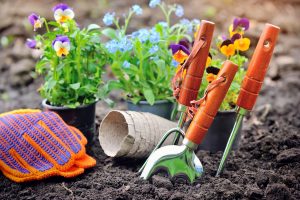
Succulents In Containers

Yes, container gardening can be tricky for xeriscape gardeners because these plants will need plenty of water. Well, the solution is pretty simple: only use succulents! Succulents do not need a lot of water, they simply require sunshine.

Terra cotta pots are ideal because they help retain some moisture. Of course, you can choose ceramic, clay or resin pots of any style for your garden. The ability to move these containers around will give you a lot of flexibility, design-wise.

Use Native Plants

The good news is you do not have to live in a dry climate to make your xeriscaping a success. Xeriscaping simply requires using plants that thrive with the typical rainfall they experience.

For a place like Arizona, that means plants that deal well with a dry and arid climate. Finding plants that thrive in your area is essential since this means less watering and maintenance for you.

Cacti

Follow The Sun

Your yard will undoubtedly tell you what thrives in the area. Start by grouping plants together based on their sunshine needs. Pay attention to sunlight and shade patterns throughout the day. This will ensure that your foliage doesn’t dry out or rot.

A good rule of thumb is to place plants that need lots of sunlight on the western side of the yard. These plants will then bask in the rays for the majority of the day.

Pine Bark Mulch

As we all know mulch is very effective for conserving moisture. Some mulches will contain herbicides or pesticides which aren’t goof for wildlife or gardeners.

Opt for natural mulch options like pine bark mulch instead. The shredded form of pine bark mulch covers large areas and looks great throughout the seasons.

Mulch

Rock Gardens

You are already halfway to creating a xeriscaped garden if you already have rock walls or terraces on your property. Rocks that are placed closely together will allow moisture to stay in place longer.

There are also many ground covers and low growing plants that can flourish in tight spaces without much soil. Allow them to spill over the rocks to create an aesthetically-pleasing addition to your yard.

Drought-Tolerant Annuals

A common misconception of annuals is they need lots of water. This is wrong! There are numerous annuals with minimal water requirements.

These annuals include Portulaca, cosmos, zinnias and marigolds. These plants will require more water if they are planted in pots, however.

Add Shade Trees

While sunshine is very important for xeriscaping, shade is too. Adding shade trees to the yard can cool the landscape by an estimated 20 degrees.

Cool plants are also hydrated plants. This creates more water savings. Shade, though, can mean more than just adding trees. Any tall structures added to the yard can help your plants thrive long-term.

Shade Trees

Desert Plants For Sale

If you are interested in increasing the beauty of your landscape by buying desert plants, stop by our convenient location at 33840 N. Cave Creek Rd., in Cave Creek. For customers interested in our landscaping services, give us a call at (480) 488-9455 to schedule a visit to your home.
More Articles About Arizona Landscaping

Written by Brian B

How Much Does Xeriscaping Cost?

How Much Does Xeriscaping Cost

On average, the cost to xeriscape a typical 1,200 sq. ft. yard is $17,085. Prices can range anywhere from $6,000-$24,000 depending on the size of the project, according to Fixr.

Average Xeriscape Installation Costs

Here is a look at typical xeriscaping costs across the U.S.:

  • National Average Cost: $17,085
  • Average Range Of Costs: $16,000-$18,000
  • Minimum Cost: $6,000
  • Maximum Cost: $24,000

Cost To Xeriscape A Yard

The cost of xeriscaping a yard can vary based on several factors, including plant choices, yard size, irrigation, soil and hardscaping. Hiring a designer to plan out the project ahead of time can be helpful, but this will add on to your total cost. Prices can be broken down by the 7 steps of xeriscaping outlined below.

Planning And Design

A landscape designer hired to plan the xeriscaping process may charge up to $200 per hour. Xeriscaping can be quite a difficult process, so careful planning is essential.

  • Average Cost: $200

Mulch

Mulch is often utilized in xeriscaping because it helps to hold in water and prevents evaporation. Delivery for a 500 sq. ft. range costs between $200-$500.

  • Average Cost: $685

Concrete Slabs

To form a walkway of concrete slabs in your yard, the cost can be a bit much, but this will give your yard a truly unique look.

  • Average Cost: $1,200

Drought-Tolerant Plants

Plants that are well adapted to the region can reduce water use and will require no supplemental irrigation. Prices will range based on the type and size of the plants.

  • Average Cost: $3,000

Soil, Rock And Stones

The biggest costs for these items will come from the delivery. 20 sq. ft. of river rock can cost as much as $1,000 to deliver.

  • Average Cost: $3,000

Turf

Replacing natural grass with artificial turf will help conserve water.

  • Average Cost: $4,000

Irrigation System

An irrigation system will be optional for xeriscaping projects. Some homeowners prefer to rely on rainfall, but those living through extremely hot summers should invest in an irrigation system.

  • Average Cost: $5,000

Xeriscaping Cost Per Hour

A professional landscaping service is necessary for xeriscaping since they will know the region’s native plants and what’s needed to achieve water conservation. A typical landscaper will cost from $50-$100 per hour, with a maximum cost of $200.

Xeriscaping Cost Per Square Foot

Xeriscaping costs are usually calculated by square footage, and the price will include all labor, plants and supplies needed. Typically, costs will range from $5-$20 per sq. ft.

  • 500 sq. ft. Total Cost: $5,500-$7,500
  • 1,000 sq. ft. Total Cost: $11,000-$15,000
  • 1,500 sq. ft. Total Cost: $16,500-$22,500

Cactus For Sale In Arizona

If you are interested in increasing the beauty of your landscape by buying desert plants, stop by our convenient location at 33840 N. Cave Creek Rd., in Cave Creek. For customers interested in our landscaping services, give us a call at (480) 488-9455 to schedule a visit to your home.
More Articles About Xeriscaping

Written by Brian B

Why Is My Cactus Drooping?

Why Is My Cactus Drooping

Are you wondering why your cactus may be dropping? It could be caused by any of these four factors:

  • Sunlight Exposure.
  • Watering.
  • Pests.
  • Temperature Fluctuation.

All of these factors can strain the cactus, spurring odd behaviors.

Sunlight Exposure

A cactus thrives in a combination of heat and bright light. Whenever a cactus does not receive a proper proportion of both, it will begin to droop. If this happens during the wintertime, it could mean the cactus needs some artificial lighting. However, during the spring and summer month, an indoor cactus should grow just fine.

Watering

Watering a cactus properly can become a tad complicated. You will know when a cactus is dehydrated if it turns soft and begins looking violet or purple. If left untreated, the cactus can then wrinkle and the branches may droop. An overwatered cactus may show the exact signs, as well. Using potted soil can help ensure that the cactus has proper drainage space. A cactus will only need water if the top two inches of soil are completely dried out. You’ll be sure the cactus is receiving enough moisture when the water drains from the holes.

Pests

Woodlice and mealybugs are white and will take juice from your cactus. A large amount of feeding by pests will usually lead to drooping branches. Mealybugs can be easily killed by hand. You can also take a preventative measure by rinsing the cactus with a mixture of water and liquid dish soap. Direct sunlight exposure should be avoided during this time period. This could take a few efforts since repeated applications are needed to remove any mealybugs that may have recently hatched. Mealybugs love flourishing growth, so a removal could help fight the invasion.

Temperature Fluctuation

Most cactus plants are indigenous to frost-free environments, So, if the temperature plummets below freezing, damage may result. This will show as blackening cactus parts. In a few weeks, the blackened areas should dry out, resulting in some drooping. The damage will likely not be great if the freezing temperatures are brief. A good amount of sunlight, combined with water and warmth will help. When temperature falls, cactus growing in a garden should be covered. Potted cactus need to taken indoors.

Cactus For Sale In Arizona

If you are interested in increasing the beauty of your landscape by buying desert plants, stop by our convenient location at 33840 N. Cave Creek Rd., in Cave Creek. For customers interested in our landscaping services, give us a call at (480) 488-9455 to schedule a visit to your home.

More Articles About Arizona Landscaping

Written by Brian B

How To Grow Prickly Pear Cactus

How To Grow Prickly Pear Cactus

The prickly pear is a surprisingly easy cactus to maintain and grow. Follow this guide to help your prickly pear thrive throughout the growing process.

Growing Prickly Pear Cactus

Eastern prickly pear cactus is extremely popular due to its ease of care. Prickly pears require a well-draining soil, planted in a spot receiving tons of sunlight daily. Refrain from adding too much water to the soil, and don’t be alarmed if the plant starts to deflate during the winter. This is a perfectly normal response to dormancy.

Here are a few tips for growing the cactus:

Sun Exposure

As is the case with most cacti, prickly pear does best with as much sunlight as possible, but preferably at least 8 hours of sunlight per day. If planted in hotter climates, prickly pear does have the ability to handle partial shade, as well. More exposure to sunlight will lead to a larger growth and more blooms to come in the spring and summer months.

Water

The prickly pear cactus, of course, is extremely drought tolerant. This means whenever you are wondering about amount of water needed for your plant, remember this: less is better. In most areas, a typical rainfall will be more than enough water for the prickly pear. If you are entrenched in a drought, plan on watering the cactus every two to four weeks.

Soil

Plant the prickly pear cactus in a well-draining soil for it to grow and thrive. A mixture of dry, sandy or gravelly soil is your best bet. A mixture of clay can work as well, but it must drain easily and not retain a lot of moisture. Prickly pear can thrive in a neutral-to-acidic mixture with a 6.0-7.5 pH level.

Fertilizer

Whenever the cactus is planted in garden soil outdoors, it will require no fertilizer at all. Indoors, though, the plant could use some occasional feeding. If the cactus doesn’t flower or starts to appear green, a well-balanced fertilizer should be applied to the plant.

Temperature

As expected, the prickly pear prefers warm, dry weather. This cactus is more cold-hearted than most, though, surviving in temperatures as low as 14 degrees Fahrenheit. It is suggested to keep the cactus away from any humidity.

Prickly Pear Growing Tips

Use this guideline as you monitor the plant’s growth:

  • Mature size: 6-12 inches in height, 12-18 inches wide.
  • Soil type: Well-drained, sandy or mainly clay.
  • Soil pH: Neutral to acidic.
  • Flower color: Yellow.
  • Bloom season: Summer.

Prickly Pear Cactus For Sale

If you are interested in increasing the beauty of your landscape by buying desert plants, stop by our convenient location at 33840 N. Cave Creek Rd., in Cave Creek. For customers interested in our landscaping services, give us a call at (480) 488-9455 to schedule a visit to your home.

More Articles About Arizona Landscaping

Written by Brian B

How Often To Water Succulents

How Often To Water Succulents

How often should you water your indoor or outdoor succulents? The answer to that question involves a variety of different factors. The biggest rule with watering succulents is to only water when the soil becomes bone dry. If the soil is not completely dry, then refrain from watering.

When To Water Succulents

There are four main factors that will affect watering patterns for your succulents, regardless if you keep the plant(s) indoors or outdoors.

Here are the factors to keep in mind:

Season

It’s no surprise that succulents experience a ton of growth during both the spring and summer. This means you will have to water the succulents more often during this active time period. As new stems, leaves and roots grow, these plants pull water out of the soil at a very high rate. Depending on conditions like temperature and light, it is recommended to water the succulents three or more times per week during spring and summertime.

When the winter hits, growing will stop. You will only need to water the succulents once or twice during the entire winter season. One of the easiest ways to kill a succulent is to overwater it during the winter. Don’t make this mistake! Give your succulent the rest it deserves from November through March.

Light

If your succulent receives ten or more hours of light per day, then it will require more water than a plant receiving less sunlight. Typically, outdoor succulents require more water than indoor succulents because of the amount of sunlight exposure.

Size Of Container

Contrary to belief, succulents residing in larger containers need less water because they feature more soil to hold moisture longer. Small and shallow containers will need be to watered more often since the soil will dry out quicker.

Humidity

Humidity can become a factor in watering your succulents. Plants located in high humidity and cooler temperatures need less frequent watering than those in hot and dry climates. This is due to the fact that it will maintain moisture for longer periods of time. If you have your succulents on a patio, facing non-stop sunshine in a place like Arizona, then you should plan on watering daily.

Desert Plants For Sale

If you are interested in increasing the beauty of your landscape by buying desert plants, stop by our convenient location at 33840 N. Cave Creek Rd., in Cave Creek. For customers interested in our landscaping services, give us a call at (480) 488-9455 to schedule a visit to your home.
More Articles About Arizona Landscaping

1 2