
Written by Brian B

Tips For Growing Indoor Cactus

Tips For Growing Indoor Cactus

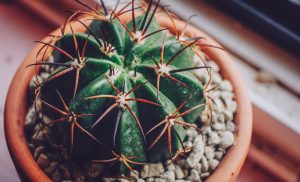
In addition to the outdoors, many cacti can thrive in an indoor environment. Both desert and forest cacti can live long and healthy lives indoors. Check out these few tips for growing the plants.

Growing Indoor Desert Cacti Tips

Desert cacti are very easy growing plants and they can produce some beautiful blooms and flowers. These tips will come in handy for growing desert cacti, regardless of the type of cacti you have:

  1. A strong light source is needed for the cacti, especially during the cooler parts of the year. It is possible to scorch a cactus that receives too much light in the summer, though.
  2. Keep the cacti in an area of 70-80 degrees Fahrenheit during summer months, and around 55 degrees in the winter.
  3. Water the cacti whenever the compost starts to dry during the summer. Only add water if you notice the cacti shriveling in the winter months.
  4. You can pot the cacti in soil, with the addition of perlite that increase aeration and drainage. The cacti won’t often need any repotting.
  5. During growing season, using a specialized fertilizer can greatly benefit the cactus. Non-cacti fertilizers will not produce the same quality plant as a specialized fertilizer.
  6. Overwatering can be very damaging to your cactus. This can cause rot at the base of the plant or at the tip. If you discover rot, this may be the best time to establish a new plant by utilizing cuttings.

Growing Indoor Forest Cacti Tips

These plants, found in tropical and subtropical regions, make great hanging plants. Here are a few specific growing tips that will differ from desert cacti:

  1. Forest cacti need bright, yet non-direct sunlight.
  2. Forest cacti will thrive between 55-70 degrees Fahrenheit during their growing season. During the rest of the cycle, though, a cooler 50 degrees is desired.
  3. You can water the plant just like any other plant during the summers.
  4. Whenever the plant is resting, only water it when the soil is dry.
  5. Repot these plants at the start of each growing season with a regular potting mix.
  6. Standard fertilizers will work for forest cacti, but make sure to taper them down throughout the growing cycle.
  7. If you have a Christmas cactus, cut the plant back before planting it. Also keep the plant in an area of 50-55 degrees Fahrenheit.
  8. After 30-60 days, take the plant to a warmer area. Resume the normal watering process at this point.
  9. Move the cactus outside for the summer.
  10. During the rest cycle, forest cacti do not to be watered heavily.

Desert Plants For Sale

If you are interested in increasing the beauty of your landscape by buying desert plants, stop by our convenient location at 33840 N. Cave Creek Rd., in Cave Creek. For customers interested in our landscaping services, give us a call at (480) 488-9455 to schedule a visit to your home.

More Articles About Arizona Landscaping

Written by Brian B

Wood Chips Vs Mulch

Wood Chips Vs Mulch

Gardeners will use both wood chips and mulch in order to provide a plethora of plant species with nutrients and safeguard against any harmful agents. Even though the definitions of both mulch and wood chips are similar, the two are used for several different reasons in the gardening/landscaping universe.

Mulch

Mulch is a type of non-living, organic material that can be dispersed across the top of the soil. It is intended to cover anything that was planted beneath the surface. Mulch is used as an overall term, as countless materials fall under the category.

Among others, materials you can include newspaper (with organic dyes), composted wood chips, tree bark, leaves, and straw. Shredded leaves are the most universal form of mulch because they are free and can be found naturally in your yard. Wood mulch is also favorable, as it is also natural and light to carry to various areas.

Mulch Types

Organic mulch can consist of:

  • Hay/straw
  • Grass clippings
  • Bark
  • Pine needles
  • Leaves
  • Wood chips
  • Compost
  • And more!

In-organic mulch is comprised of:

  • Gravel
  • Pebbles
  • Crushed stone
  • Rubber
  • Man-made pine needles
  • Plastic sheets
  • Woven ground cloth
  • And more!

As a type of organic mulch, wood chips are a popular alternative for those with landscape needs.

Using Wood Chips As Mulch

Wood chip mulch consists of small pieces of ground up wood or bark. Using wood chip mulch has proven beneficial for the growth of trees, small fruit species, perennials and shrubs. This mulch will heighten survival rates for smaller trees, while also preventing damage to some plants during rainstorms.

The recommendation here is to apply two to four inches of wood chip mulch in a diameter of three to six feet around the base of the plant or tree in need of mulch. Adjust any measurements for larger or smaller trees.

Mulch Vs Wood Chips

Simply explained, wood chips are the by-product of wood chipping, which is breaking down wood and/or bark. Wood chip mulch can be hazardous to gardens or landscapes when used incorrectly. If you leave the wood chips outdoors in a large pile for an extended period of time, acids may be created due to the lack of circulating oxygen.

Mulch, meanwhile, embodies any material situated atop the surface of soiled plants. Mulch will decrease water evaporation, weed population and balance out soil moisture, among other beneficial uses.

Desert Plants For Sale

If you are interested in increasing the beauty of your landscape by buying desert plants, stop by our convenient location at 33840 N. Cave Creek Rd., in Cave Creek. For customers interested in our landscaping services, give us a call at (480) 488-9455 to schedule a visit to your home.

More Articles About Arizona Landscaping

Written by Brian B

Desert Landscaping Ideas

Desert Landscaping Ideas

If you need some great ideas to spruce up your desert landscape, Desert Foothills Gardens Nursery is here to help!

7 Great Desert Landscaping Ideas

Try out as many of these ideas as you wish for your Arizona home:

  1. Raised Cactus Beds
  2. Add Lighting
  3. Rows Of Cacti
  4. Show Off Your Succulents
  5. Blown Glass Yard Art
  6. Palm Trees
  7. Purple Perfection

Raised Cactus Beds

Raised cactus beds are perfect for homeowners looking to protect children and/or pets from the cactus spikes. Planting the cacti on raised beds is one solution to this potential problem. Cactus beds will thrive in the desert climate, just make sure you are supplementing the lack of rainfall with occasional waterings. Raised beds are the best way to showcase these unique plants without having to worry about harming anyone or anything.

Raised Cactus Beds

Add Lighting

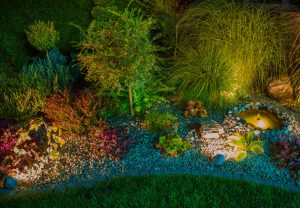
Adding appropriate lighting for the nighttime is a great and cost-effective way to showcase all your garden has to offer. Lighting will instantly create a mood to your front and/or backyard. These lights have now become a year-round feature around a lot of desert homes, instead of just a holiday tradition. Solar lights may be the most popular choice for Arizona homeowners since these lights power themselves thanks to sunlight.

Backyard Lighting

Rows Of Cacti

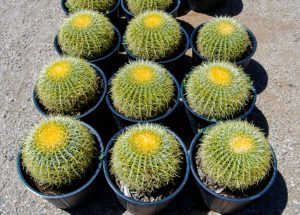
Infertile soil is unfortunately common in desert gardens. Poor quality soil is also very common in certain areas of the desert, as well. If you do not intend on constantly working on the soil, potting your cacti is a great alternative. Cacti typically grows very well within containers. The next task is to make the potted plants look as aesthetically pleasing as possible. Put the pots in a row for a unique and modern look.

Rows Of Cacti

Show Off Your Succulents

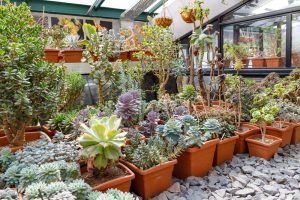
Desert gardens have a reputation of being not particularly flashy in terms of colors. This does not have to be the case with your desert landscape, though! Don’t fall into the pattern of putting the same dull colors in your yard. Add succulents of varied colors to your landscape. Succulents can come in various shades of orange, blue, green and even purple. Nurseries all over the southwestern U.S. have a wide selection of succulents.

Succulents

Blown Glass Yard Art

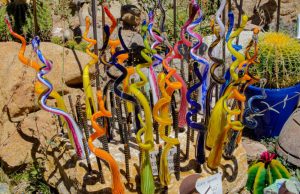
Give your yard a more unique and luxurious feel by adding blown glass yard art to the area. Typically, this can be one of the last steps when designing your garden. Find out exactly which space(s) can be filled with yard art found at desert nurseries. If you’re looking to add color to your yard and have opted against purchasing succulents, these ornaments can be a perfect alternative to bring your garden to life.

Blown Glass Yard Art

Palm Trees

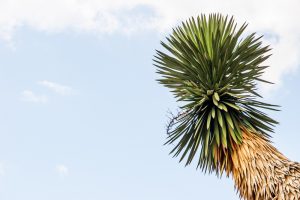
Some small areas of the yard can be extremely difficult to figure out how to utilize. What should you do with the space; should you add some sort of plants? A perfect way to use the space would be to add some petite palm trees. Tight spaces won’t necessarily require ground-level plants. Instead, petite or dwarf palms are ideal for these areas. To give the place a more modern look, plant the palm then surround it with small white pebbles.

Palm Trees

Purple Perfection

Purple is perhaps the most unique color one can find in a desert climate. Purple gravel spread throughout your property will really make any and all plant life stand out. Purple provides the perfect contrast against the green of the foliage. If purple is not your favorite color, consider choosing any color other than brown to use as the foundation. Add one unique color and leave the rest of the property as natural as possible.

Purple Rocks

Desert Plants For Sale

If you are interested in increasing the beauty of your landscape by buying desert plants, stop by our convenient location at 33840 N. Cave Creek Rd., in Cave Creek. For customers interested in our landscaping services, give us a call at (480) 488-9455 to schedule a visit to your home.

More Articles About Arizona Landscaping

Written by Brian B

10 Incredible Saguaro Cactus Facts

Saguaro Cactus Facts

Native to the Sonoran Desert, the saguaro cactus is one of the most fascinating plants in the southwestern U.S. If you are searching for “saguaro cactus facts“, this post is for you!

Facts About Saguaro Cactus

Here are some interesting facts regarding this unique plant:

  1. The saguaro cactus only grows in the Sonoran Desert.
  2. Saguaros can live up to 200 years.
  3. Saguaros can grow up to 25 arms.
  4. Saguaros only grow 1.5 inches in its first 8 years of life.
  5. This is the largest cactus found in the U.S.
  6. Adult saguaros can weigh up to 6 tons.
  7. Saguaros won’t grow flowers until they are at least 35 years old.
  8. Saguaros are also known as Carnegiea Gigantea.
  9. The roots expand like an accordion to absorb water.
  10. Saguaros produce red fruits in the summer.

Fact 1: The Saguaro Cactus Only Grows In The Sonoran Desert

This is true, but it does not mean the saguaro can grow in every part of the Sonoran Desert. Due to freezing winter temperatures and elevation, saguaros only thrive in certain areas of the desert. Saguaros tend to not live in any areas above 4,000 feet in elevation.

Fact 2: Saguaros Can Live Up To 200 Years

Most saguaros have a lifespan of 150 to 200 years. The oldest known saguaro was discovered in Arizona, living as long as 300 years, according to Cactusway. The cactus died of a bacterial infection more than two decades ago.

Fact 3: Saguaros Can Grow Up To 25 Arms

Saguaros develop more and more arms as they age. The total number of arms can reach up to 25, although some saguaros never grow arms at all!

Fact 4: Saguaros Can Only Grow 1.5 Inches In Its First 8 Years Of Life

A study by the Saguaro National Park found that saguaros only grow between 1 to 1.5 inches in their first 8 years. Growth rate after that very much depends on climate, location and precipitation.

Fact 5: This Is The Largest Cactus Found In The U.S.

Saguaros are the largest cactus currently found in the United States. They normally reach heights of close to 40 feet tall. The tallest known saguaro cactus measured a total of 78 feet.

Fact 6: Adult Saguaros Can Weigh Up To 6 Tons

Yes, you read that correctly – 6 tons! A saguaro is considered an “adult” when it hits age 125. Most saguaros that stand around around 50 feet tall will weigh an average of 6 tons.

Fact 7: Saguaros Won’t Grow Flowers Until They Are At Least 35 Years Old

A saguaro won’t begin to produce flowers until age 35. These flowers are normally found at the end of the main trunks, but can also grow on the sides of the plant.

Fact 8: Saguaros Are Also Known As Carnegiea Gigantea

Don’t like using the name saguaro cactus? Impress your friends by calling them by their other name, Carnegiea Gigantea.

Fact 9: The Roots Expand Like An Accordion To Absorb Water

Saguaro roots grow outward in a radial fashion. When heavy rain comes, the saguaro stretches like an accordion to absorb as much water as possible.

Fact 10: Saguaros Produce Red Fruits In The Summer

Usually in the month of June, saguaros will produce beautiful red flowers. These colors will certainly stand out in the Sonoran Desert.

Saguaro Cactus For Sale

If you are interested in increasing the beauty of your landscape by buying desert plants, stop by our convenient location at 33840 N. Cave Creek Rd., in Cave Creek. For customers interested in our landscaping services, give us a call at (480) 488-9455 to schedule a visit to your home.

More Articles About Arizona Landscaping

Written by Brian B

Where To Buy Saguaro Cactus

Saguaro Cactus For Sale

If you are searching for “saguaro cactus for sale“, look no further than Desert Foothills Gardens Nursery in Phoenix! This article includes costs and tips for taking care of these unique desert plants.

Where To Buy Saguaro Cactus In Phoenix

Desert Foothills Gardens Nursery has been a leader in saguaro cactus sales since 1985! The experts here can take care of all your indoor and outdoor gardening needs. The saguaro cactus is, by far, one of the most popular desert plants in the entire valley. This cactus is comprised of tall, thick, fluted, column like stems, around 18 to 24 inches in diameter, usually with several large arms curving upwards in the most distinctive arrangement of all the Southwestern desert cactus.

The saguaro skin is usually a little waxy and smooth, and the stems and trunk typically have stout, two-inch spines grouped around their ribs. When water is soaked up, the outer pulp of the cactus expands somewhat like an accordion, widening the diameter of the stem and, sometimes, can supersize its weight upwards of a ton.

Check out our extensive selection of saguaro cactus and other succulents right here.

Taking Care Of Cactus

These are four simple tips for giving your cactus its best life possible:

  • Water the cactus when needed
  • Sunlight exposure
  • Choose the perfect pot for the cactus
  • Find the right fertilizer

Location is key for your cactus, especially if you decide to keep it inside your home. Since cactus are found in the desert, one would be wise to guess this plant needs a ton of sunlight to flourish. Cacti can be burned, though, so make sure you exercise good judgement on what is enough sunlight but not too much. Sunlight and hydration go hand in hand. The common belief is cacti do need water but not as often as one thinks. This couldn’t be further from the truth. Cacti do need regular waterings; they can however survive droughts. Give your cactus plenty of water to keep it from going into survival mode. A minimum of 1/4 cup of water every other week should be enough to keep the cactus healthy.

Before purchasing any sort of cactus, take a look at the pot that surrounds the plant. Is this is the best possible pot size and shape for your home’s new addition? You want to give the cactus the proper amount of room to grow, expand and thrive. You should invest in a pot that features drainage holes. This will require more care, but it is very beneficial for the cactus. Even with the drainage holes, it is still important to not over-water the plant.

Cacti need a very efficient soil, draining the area of any and all excess water. You’ll want your dirt to be as dry as possible. Cacti can also benefit from fertilizer. These plants crave the nutrients provided by fertilizer. Providing the cactus with a light supply of fertilizer during each watering is suggested. Use the fertilizer more often in the warmer months and sparingly during the winter.

Desert Plants For Sale

If you are interested in increasing the beauty of your landscape by buying desert plants, stop by our convenient location at 33840 N. Cave Creek Rd., in Cave Creek, or give us a call at (480) 488-9455.

More Articles About Arizona Landscaping

Written by Brian B

How To Save A Dying Cactus

How To Save A Dying Cactus

If you are searching for “how to save a dying cactus” or “how to revive a plant,” this post will offer tips on saving your valued desert plants.

5 Steps To Saving A Dying Cactus

Here is a step-by-step guide to reviving your cactus:

  1. Cut away rotting parts.
  2. Change your watering patterns.
  3. Control pest problems.
  4. Adjust daily sunlight.
  5. Rinse off any dust and dirt.

Cut Away Rotting Parts

A typical sign of overwatering is when you begin to notice parts of your cactus rotting away. Black or brown spots that have been discovered need to be cut away immediately. Then, you can decide whether or not you’d like to re-pot the plant or simply wait until the current soil is completely dry before watering again. Follow this exact mixture if you do end up re-potting the cactus: one part peat, two parts garden soil, and two parts coarse sand.

Change Your Watering Patterns

Remember, always make sure the cactus soil is completely dried out before watering the plant. This is the main cause of rotting, as stated above. If the cactus appears wilted or wrinkled, it needs to be watered. Pot your cactus in an area where excess water drains with ease. Adjust watering patterns by the season and temperature. Watering once a week while during the hotter months, while adding water only when the soil is dry during colder months is suggested. If you keep your cactus outdoors, always check the moisture of the soil.

Control Pest Problems

This is a common cactus killer, unfortunately. Infestations of pests and insects can cause the cactus to appear yellow. The two agents that will cause your cactus the most harm are typically spider mites and mealybugs. Check your local landscape materials provider for solutions that can keep these pests away. Spider mites can, in some cases, be taken out by rubbing alcohol.

Adjust Daily Sunlight

The placement of your cactus, either indoors or outdoors, is extremely important. Based on location, the cactus may be receiving too little or too much sunlight, daily. A narrowing or rounding of the plant means more sunlight is needed. If keeping the plant indoors, make sure it is in a spot where it receives the most sunlight possible.

Rinse Off Any Dust And Dirt

Dust and dirt that is present on your cactus may just be preventing the plant from receiving sunlight. Run a rag or soft sponge over your cactus to wipe away any dust or dirt. It is possible to clean your plant by lightly running it under the faucet, as well. A hose can work for a cactus potted outdoors. When attempting to grow the plant, make sure to use a low-nitrogen fertilizer. Choose a solution with a nitrogen rating of 10. Do not use a mixture featuring an excess amount of nitrogen.

Cactus

Types Of Cactus In The Desert

Read more about all types of desert cactus by clicking right here.

Desert Plants For Sale Cave Creek, Arizona

If you are interested in increasing the beauty of your landscape by buying desert plants, stop by our convenient location at 33840 N. Cave Creek Rd., in Cave Creek. For customers interested in our landscaping services, give us a call at (480) 488-9455 to schedule a visit to your home.

Written by Brian B

Landscaping Prices In Arizona

Landscaping Prices In Arizona

The hot and dry climate of Arizona is what makes the state so unique, and it’s why landscaping can be such a fun task. Arizona homeowners can choose to add a saguaro cactus, landscape boulders or even blown glass art to their yards. Here is a list of average prices for many popular landscaping materials.

Landscape Rocks

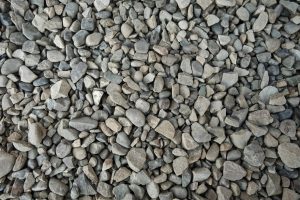
  • Landscape stone is priced between $0.75-$4 per cubic foot and $20-$100 per cubic yard.
  • Arizona river rocks cost an average of $230 per yard.

Landscape Boulders

  • Landscape boulders cost between $100-$600 per ton.

Sand

  • A bulk truck load of sand, topsoil or dirt will cost between $150-$600.
  • Fill sand costs $15-$50 per yard.

Saguaro Cactus

  • 6 inch Saguaro Cactus: $20.
  • 12 inch Saguaro Cactus: $40.
  • 18 inch Saguaro Cactus: $75.
  • 24 inch Saguaro Cactus: $150.
  • 3ft – 7ft Saguaro Cactus: $80 per foot.
  • 8ft – 20ft Saguaro Cactus: $100 per foot.

Saguaro Cactus Cost

Mulch

  • Economy mulch costs $2-$4 per bag.
  • Economy mulch will cost $15-$30 per cubic yard.
  • Hardwood or colored mulch costs $30-$40 per yard.
  • The average mulch delivery will cost between $40-$100.

Wood Chips

  • Wood chips only cost an average of $2 per bag.
  • The average cost per yard is $24.
  • Wood chip delivery can cost between $120-$250.

Find more information about blown glass yard art, desert plants and other landscaping materials right here.

Desert Plants For Sale Cave Creek, Arizona

If you are interested in increasing the beauty of your landscape by buying desert plants, stop by our convenient location at 33840 N. Cave Creek Rd., in Cave Creek. For customers interested in our landscaping services, give us a call at (480) 488-9455 to schedule a visit to your home.

Written by Brian B

Landscape Boulders Cost

Landscape Boulders Cost

Boulders can change the way your residential or commercial landscaping project looks and feels. How much do landscape boulders cost, though? This post will detail prices, including installation and delivery costs.

How Much Do Landscape Boulders Cost?

  • Lowest price per ton: $100.
  • Highest price per ton: $600.
  • Minimum installation cost: $40.
  • Maximum installation cost: $300.

Boulder prices can vary based on quantity and quality, as is generally the case with any landscaping material. The first thing any homeowner needs to consider when purchasing boulders is size. How do you plan on spreading these boulders throughout your property? Would a few large boulders work or do you want to spruce up your land by adding an abundance of boulders? The good news is many landscape material companies will offer bundle discounts if you’re looking for a large amount of boulders. But, keep in mind that professional delivery may be necessary when you purchase heavy boulders.

Check with the landscape material companies ahead of time to see if installation is included with any boulder costs. Some companies will include the installation as part of the total price. Deliveries and installation can be costly when considering the amount of materials and length of delivery. If you are attempting to transport these boulders yourself, do not underestimate the weight!

Types Of Landscape Boulders

Boulders are an increasingly popular option for residential and commercial landscaping projects, especially in Arizona. Landscape boulders can be used in a variety of ways. Boulders can surround and add beauty to a walkway or body of water. Placing the boulders to act as natural stepping stones can be another aesthetically-pleasing option. Boulders are excellent as seating around a firepit, as well. Another way boulders have been used is in the construction of a wall surrounding plants or other objects in the yard.

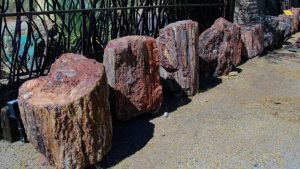
All of your landscape boulder and rock needs can be taken care of at Desert Foothills Gardens Nursery! This nursery offers a variety of boulders, from Grand Canyon boulders all the way to granite boulders. Take a look at the full boulder photo gallery of Desert Foothills Gardens Nursery by clicking here.

Landscaping Boulders In Arizona

If you are interested in increasing the beauty of your landscape by buying desert rocks, stop by our convenient location at 33840 N. Cave Creek Rd., in Cave Creek, give us a call at (480) 488-9455 to schedule a visit to your home.

Written by Brian B

How To Take Care Of A Cactus In Arizona | Gardening Tips

How To Take Care Of A Cactus In Arizona Gardening Tips

Cacti are some of the most unique and beautiful plants one can find in Arizona. With so many colors and shapes, a cactus will be a great addition to your home’s décor. Here are a few gardening tips for how to take care of a cactus properly.

Cactus Care Tips

These are four simple tips for giving your cactus its best life possible:

  1. Water the cactus when needed
  2. Sunlight exposure
  3. Choose the perfect pot for the cactus
  4. Find the right fertilizer

Taking Care Of Cactus

Location is key for your cactus, especially if you decide to keep it inside your home. Since cactus are found in the desert, one would be wise to guess this plant needs a ton of sunlight to flourish. Cactus can be burned, though, so make sure you exercise good judgement on what is enough sunlight but not too much. Sunlight and hydration go hand in hand. The common belief is cacti do need water but not as often as one thinks. This couldn’t be further from the truth. Cacti do need regular waterings; they can however survive droughts. Give your cactus plenty of water to keep it from going into survival mode. A minimum of 1/4 cup of water every other week should be enough to keep the cactus healthy.

Before purchasing any sort of cactus, take a look at the pot that surrounds the plant. Is this is the best possible pot size and shape for your home’s new addition? You want to give the cactus the proper amount of room to grow, expand and thrive. You should invest in a pot that features drainage holes. This will require more care, but it is very beneficial for the cactus. Even with the drainage holes, it is still important to not over-water the plant. Cacti need a very efficient soil, draining the area of any and all excess water. You’ll want your dirt to be as dry as possible. Cacti can also benefit from fertilizer. These plants crave the nutrients provided by fertilizer. Providing the cactus with a light supply of fertilizer during each watering is suggested. Use the fertilizer more often in the warmer months and sparingly during the winter.

Cactus And Succulents Offered At Desert Foothills Garden Nursery

Located in Cave Creek, AZ, Desert Foothills Garden Nursery has been providing top-notch cactus and succulents for the valley of the sun since 1985. Here is a list of offerings at Desert Foothills Garden Nursery:

  • Easter cactus
  • Purple prickly pear cactus
  • Saguaro cactus
  • Golden barrel cactus
  • Flowering cacti
  • Trichocerus
  • Organ pipe cactus
  • Cardon cactus

Cactus For Sale Cave Creek, Arizona

If you are interested in increasing the beauty of your landscape by buying desert plants, stop by our convenient location at 33840 N. Cave Creek Rd., in Cave Creek. For customers interested in our landscaping services, give us a call at (480) 488-9455 to schedule a visit to your home.

Written by Brian B

Desert Shrubs

Perhaps the most unique part of Arizona is its natural beauty. From desert mountains to cacti, Phoenix and the entire state of Arizona provide breathtaking views at every turn. Whether you are a resident or just visiting the 48th state, you’ll want to spruce up your home garden with some of these memorable plants, shrubs and flowers. Here is a look at some of the best desert shrubs to purchase in this area.

Desert Landscaping

Most Arizona homeowners seek to fulfill two needs for their home landscaping. One is color, and the other is picking shrubs with little to no maintenance required. Luckily, these two things are relatively attainable in the dry, arid climate of Arizona. From orange, green, red and yellow, it is easy to find a wide range of colorful shrubs for your outdoor areas. Plus, most desert plants are perennial, meaning they only need to be planted once. Raw beauty combined with low care makes desert shrubs the most cost-effective choice for your landscaping needs. If you are located in the Phoenix area specifically, all of these shrubs will thrive in your backyard.

Maintenance, as mentioned, is relatively simple for shrubs and other desert plants. Even in the desert, there are ways to further lessen watering and other upkeep of your garden. Tips for Arizona homeowners include watering less and only on trees and shrubs. Stay away from any chemical fertilizers. Instead, opt for organic formulations, exclusively. Experts also suggest inoculating the soil with mycorrhizal root inoculants, which help plants absorb water more efficiently. If you choose to use a sprinkler instead of manually watering the plants, always check to make sure there are no leaks in the sprinkler or other irrigation systems.

Desert Shrub Offerings

Located in Cave Creek, Desert Foothills Gardens has been providing the valley with the very best desert shrub selection for decades. Here’s a look at some of Desert Foothills’ offerings:

  • Ocotillo Plants: a favorite choice from the Sonoran Desert, Ocotillo Plants are heavy at its base, but can grow up to 10 meters high.
  • Crested Euphorbia: This name of this plant is not the only unique quality of crested euphorbias. This cactus-looking succulent has beautiful fan-shaped branch clusters.
  • Indoor Succulents: Looking to add some greenery inside your home as well as outdoors? Desert Foothills Gardens has a wide variety of indoor succulents for purchase.
  • Moroccan Mound: This plant does not grow very high or wide, but offers an array of colors, including green, red and yellow.
  • Yuccas: These are easily identifiable by its thick, blade-like leaves. Yuccas are perfect outdoor shrubbery choices.

Desert Foothills Gardens Is A Desert Plant Nursery In Cave Creek

Desert Foothills Gardens Nursery offers desert plants and landscape design in Cave Creek, Arizona. If you are looking for the best quality, widest selection, and healthiest plants to put in your landscape or garden in the Phoenix area, Desert Foothills Gardens Nursery is your #1 source. If you would like to view our desert plant selection stop by our nursery in Cave Creek or give us a call at (480) 488-9455.

1 2