
When are the Saguaro Cactus in Bloom in AZ?
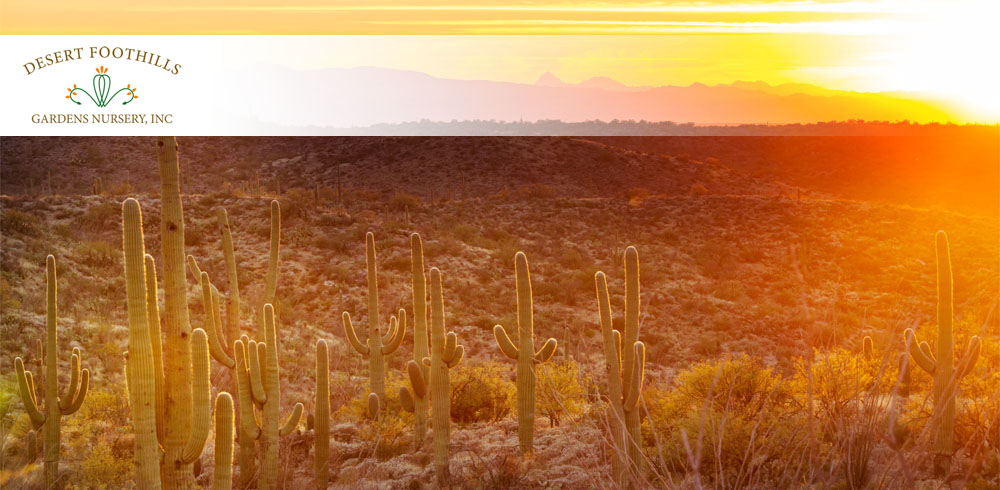
Every spring giant saguaro cactus produce one of the most beautiful flowers in the Sonoran Desert. These big white flowers bloom during the night and close the next day. They get their pollination by birds, insects, and sometimes bats.
These cactus bloom throughout the months of April, May, and June. A lot of people wonder if the flowers could be blooming earlier than in the past because of increasing desert heat, that may cause the plants to start to be out of sync with migration patterns of their pollinators.
Saguaro National Park has implemented a Citizen Science project for studying saguaro flower phenology. Phenology is the examination of natural life happenings, like when a plant blooms. Every day they go to the desert and count the saguaro’s flowers. Their goal is to tie the flowering times with meteorological extents and past records on saguaro flowers to gain insight about changes in saguaro phenology after a certain period of time.
Saguaros reach their reproductive age and put their first flowers forth when they get to a height of around 7 feet, or when they reach 30-65 years of age. Saguaro flowering starts around the last 2 weeks of April, and peak flowering happens throughout the last week of May through the 1st week in June.
Saguaro flowering is triggered by winter rains in addition to the increased length of the day, and the warmer temperatures of springtime.
Saguaro fruit usually ripens into a reddish color in late June and early July.
Source:
- “Saguaro Flower Power Project.” National Parks Service, U.S. Department of the Interior, www.nps.gov/sagu/getinvolved/saguaro-flower-power-project.htm.
Cactus For Sale Cave Creek, Arizona
If you are interested in increasing the beauty of your landscape by buying cactus, stop by our convenient location at 33840 N. Cave Creek Rd., in Cave Creek. For customers interested in our landscaping services, give us a call at (480) 488-9455 to schedule a visit to your home.

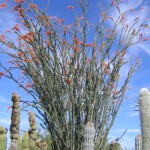 Ocotillo (Fouquieria splendens) are one of simplest plants to identify in the Sonoran desert. They are a larger shrub with elongated cane like un-branched spiky stems that grow from its short trunk. Small 2 inch leaves grow from its stems when there is enough moisture around. Thick clusters of red tube-like flowers grow from the end of its stems from March through June.
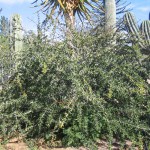 Boojum trees are a large stem succulent plant that can grow up to 54 feet high with a gently narrowing trunk, very much like that of a tall candle, up to 1-1/2 feet wide at its base. The trunk has a number of pencil-like branches with temporal leaves. On older boojum trees, its main trunk divides into two or more stems near the top of the tree which looks like the arms of an octopus. The creamy yellowish tube like flowers, bloom from July to August.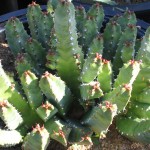
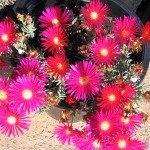 These low-growing succulents are all identified as ice plants. Delosperma species, most of which come from South Africa, are the best ice plants for the South (they do especially well in the Sonoran desert). They usually don’t grow more than a few inches high but spread to form low growing mats ideal for covering an embankment or slope. Small daisy-like flowers, ranging purples and pinks to yellows (about 2 inches across) appear above its small, succulent leaves, which may be flat or cylindrical.
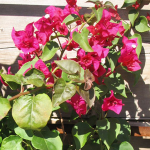 The Bougainvillea comes in many different variations. Bougainvillea loves the heat and sun and is a remarkably drought tolerant plant once rooted and stable. They bloom throughout the spring and fall seasons. While exceedingly hardy in the Sonoran desert heat, the bougainvillea can be marred by a strong frost and should be properly covered from the cold. With a plethora of colors, sizes and shapes make it a very popular landscaping plant.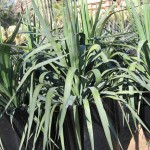
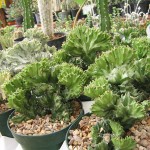 A coral cactus (euphorbia lactea crest) is clearly not a real cactus. It is actually a euphorbia plant that has a rare deviation, which causes it to grow with a crest-type appearance. Because this fascinating mutation is rare, the coral cactus is a very sought-after plant. This interesting plant closely looks like an ocean coral. It is extremely tough and needs almost no maintenance to survive. Its green and pinkish color makes it a popular choice in many landscapes, even though it can also be used to improve the appeal of the atmosphere indoors. It is a smaller plant that doesn’t grow more than 25 inches in height.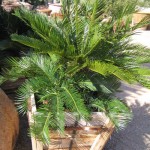

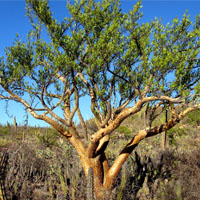 This plant is considered rare in the US within the Anza Borrego Desert State Park region, Santa Rosa Mountains, Sonoran Desert and parts of the southwestern area of Arizona. This is a plant that is normally made to adapt to a desert climate, that has a thick trunk that will store water for days. It is small, and the branches are small when compared to the size of the trunk. It does also store water in the lower wood and limbs, apart from the trunk. The foliage on the plant is lightly distributed that has long, flat legume like leaves that are paired leaflets. The flowers on it are rounded yellow structures in bud form and will then turn into small star shaped cream or white colored flowers. Many of the species of this plant are drought deciduous because of the warm climate and will have leaves throughout the year, except during extreme cold weather and droughts.
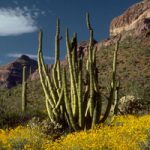 This species of cactus is found within the rocky deserts of the US and Mexico. It has narrow stems that will grow straight from a small trunk right above the ground. The stems will normally not grow into branches and then spread as they grow every year from the tip of each stem. It will take around 150 years for this plant to reach a mature stage. The older plants will produce light pink or purple tinted flowers that will have special characteristics. The flowers will stay open at night and close at the rise of the sun. The fruits that this plants produce are said to be tastier than a watermelon. They are food for many native American tribes and are also used as a medicine. The plant is pollinated by bats.
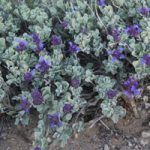 This is a beautiful shrub that ranges about 3 meters tall. The flowers on it are deep blue with purple bracts. The striking feature of this plant is that it doesn’t need to be watered once it has been established. These plants are drought resistant. They conserve solar energy and will blossom during precipitation. The plants also have medicinal properties and different tribes made infusions of stems and leaves of this plant as a cure for the common cold. It was also used to treat the flu, pneumonia, headaches, stomach aches, and some eye problems.
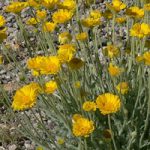 This plant belongs to the aster family and is normally found in the southwestern areas of Mexico and the US. They are an annual as well as short lived perennial plants that will grow to around 30 inches tall and will have hairy leaves. These hairs help them to survive in extreme conditions by increasing light reflection, which lowers the leaf temperatures as well as blocks UV rays. The flowers on this plant will grow and are colored bright yellow, which is where their name comes from. These spring wild flowers will start blooming in March and stay in bloom until November. During the rains, these flowers will bloom more and then the stone slopes that they grow on will look like bright yellow carpets. The flowers are very poisonous and large numbers of sheep have died due to these flowers.
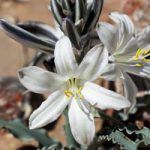 This plant is also called the Hesperocallis is a flowering plant that is found within the desert areas of North America, California, Arizona, and Mexico. These flowers are actually funnel shaped and cream colored that will bloom in March and stay until May. This plant is a common sight in deserts and the leaves around an inch wide and will grow up to 20 inches wide. When it comes to appearance, this plant looks similar to Easter Lilies. The Desert Lily has deep bulbs that will send stems early in spring and the bulb is often used as a food by Native Americans.
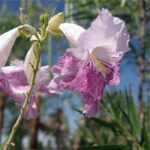 This plant is also called the Chilopsis and is small, delicate deciduous shrub or tree found in Mexico and the US. The flowers for this plant bloom in May and will stay until September. The flowers are normally lavender and light pink in color. The lower lip and throat is beautifully designed to have purple lines and yellow ridges. large bees will often pollinate these flowers. It often happens in clusters and is able to deal with arid desert conditions, which certainly makes this a great desert plant.
 Palm trees often grow in subtropical, tropical humid and hot conditions, as they are not able to stand the cold. They have a variety of species which comes to just over 2600. They have long stems, which is unbranched and have clusters of long leaves at the top of stem. Palms have often remained one of the most cultivated plants till this date. Most products are often made from palm trees, so they are economical. The uses of palm trees are plentiful. edible oil is made from palm trees, coconut form palm trees, palm sap is fermented to make palm wine, as we know are very beneficial, and the coir from the outer part of coconut shells are used to make ropes, mattresses and brushes.
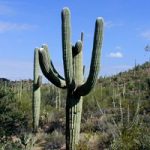 The saguaro is a species of cactus. They have long lifespans of around 150 years, but the growth depends on the precipitation amount within the desert. The spines grow rapidly, and will grow around a millimeter daily. The flowers will bloom at night and stay from April to June. The flowers are yellow and white and the ruby red fruits are eaten by locals and there are over 2000 seeds in each of them which makes it easy to pollinate. The fruits are not able to be hand-picked, because of the long spines of the tree so they have to be plucked using a long pole.
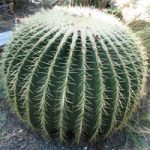 Barrel cactus happens to be the most common desert plant all over the world. It can be up to 10 meters tall and the buds on this plant will grow around April and the color will vary for each blossom. It may be pink, red, orange, or yellow. The spines on the barrel cactus need to be handled with care, because if you are pricked by one of them, you may need antibiotics to fight the effects of the barrel cactus. The plants look beautiful and are developed in nurseries or personal gardens to be an ornamental plant.